May 2026 — The Month Access Started to Cost More
The world still worked in May 2026. But access — to corridors, minerals, water, compute, and cargo — became more conditional. A public operating environment brief.
May 2026 — The Month Access Started to Cost More
Raven Intelligence Framework (RIF)
— A. Nickoll
Raven Intelligence
The world still worked in May. But it worked differently than it did six months ago.
The month did not produce a single headline collapse. No major power grid failed. No critical port shut down permanently. No global supply chain broke in two. If you were watching the news cycle, May looked like a lot of noise and not much signal.
But underneath the noise, something more important was happening. Access — the ability to move things, power things, source things, and build things — was becoming more conditional.
The systems that keep industrial civilisation running were still functioning. They just required more clearance to use.
"The headline asset is no longer the real asset. What matters is whether you can actually access it."
Consider what that looks like in practice. A corridor stays open on the map but the number of ships willing to transit it collapses. A reservoir holds water but the operating rules mean only a fraction of it can actually be used. A semiconductor facility announces new capacity but that capacity sits idle waiting for qualification, materials, and service access. A datacentre is built but cannot be energised because the grid queue is eighteen months long.
In each case, the asset exists. The access does not.
This is the operating pattern that defined May 2026. Not destruction. Conditionality.
Where it showed up — May 2026
Maritime corridors
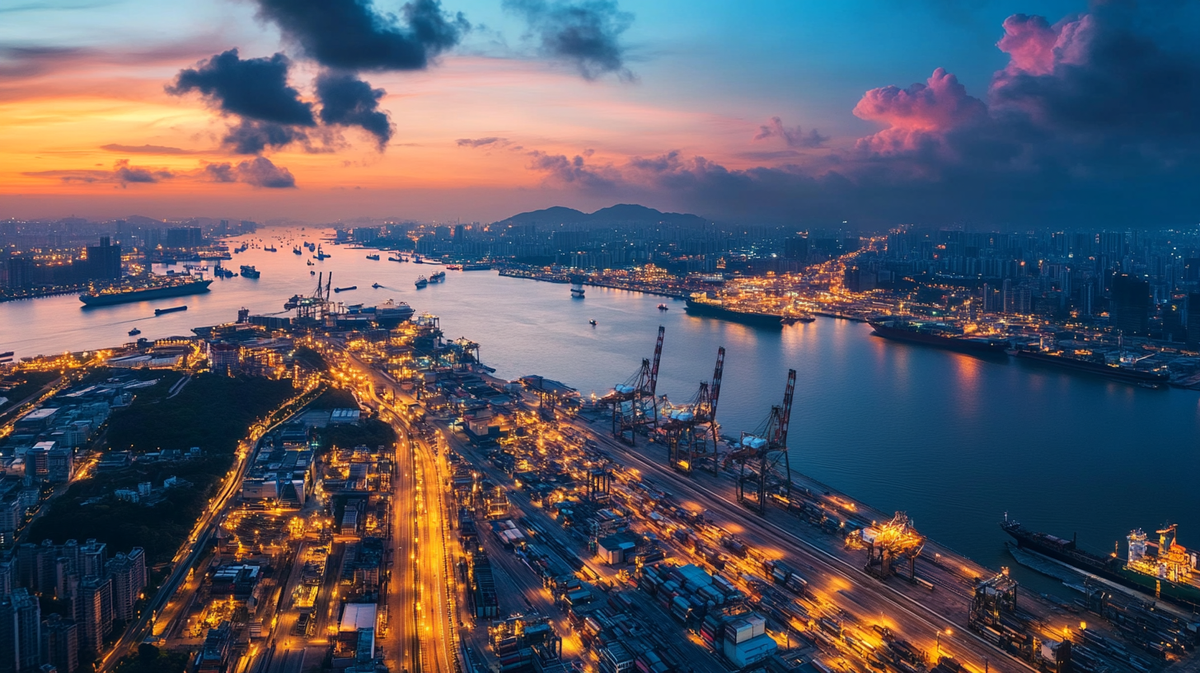
A major global energy and cargo chokepoint saw transit volumes fall to a fraction of historical norms. Cargo continued to move — but through substitute ports that were never designed to carry that load.
Strategic minerals
Exports of rare-earth materials critical to aerospace and semiconductor manufacturing were not blocked — they were permissioned. Licence approval, customs clearance, and end-use eligibility determined whether controlled minerals could leave the country of origin at all.
Water systems
Reservoirs in three countries on three continents operated under threshold conditions — where physical water storage translated directly into operating rules, power generation constraints, and municipal access failures.
AI infrastructure
Grid operators became the gatekeepers of compute capacity. Whether a datacentre could be energised — not built, but actually switched on — depended on interconnection queues and grid acceptance rules.
Shipping security
Piracy returned as a sustained operating constraint in the western Indian Ocean. Not a single incident — a repeated pattern, with multiple vessels held and five security events recorded in a single day.
None of these stories reached the top of the news cycle. Most were buried in trade publications, maritime advisories, and government fact sheets. They were not connected to each other in any coverage you would have seen.
But they were connected. The same structural pattern ran through all of them: systems that nominally existed were becoming less automatically usable.
That is the difference between a headline and an operating signal. Headlines tell you what happened. Operating signals tell you what your environment is becoming.
The question worth asking is not whether May was a dramatic month. It was not. The question is whether what May showed — access becoming conditional across water, energy, minerals, shipping, and compute infrastructure — is a temporary disruption or a new operating baseline.
That question is not answered by the news. It is answered by systematic, evidence-based tracking of the systems that actually govern how the world operates.
That is what Raven Intelligence is built to do.
Signature
— A. Nickoll
Raven Intelligence
Informational intelligence only — not financial, investment, legal guidance, or political prediction. © 2026 Raven Intelligence — All Rights Reserved.
Raven Intelligence
If this raised questions you haven't seen answered anywhere else — that's the point.
Most analysis tells you what happened. Raven tracks what is forming — the pressure building inside water systems, supply chains, energy corridors, and digital infrastructure before it becomes a headline. The paid tiers go further: deeper analysis, verified data, and the structural picture behind the public signal.
Entry, Core, and Elite tiers. Start with Entry and go as deep as your work requires.